
Romantasy is dominating bookshelves—and sales charts. Here’s why readers can’t get enough (and how to join in).
DON’T MISS WHAT’S COMING NEXT
Wordling Plus is where serious writers come for systems, strategy, and support. Doors only open a few times a year — and the waitlist always hears first (with bonuses no one else sees).
👉 Add your name to the waitlist and don’t miss the next round.
Romantasy—also known as romantic fantasy—isn’t just having a moment. It’s rewriting the rules of the bestseller list.
These books are everywhere: front and center in bookstores, dominating Goodreads charts, sparking TikTok trends, and inspiring fan art, cosplay, and marathon rereads. Readers aren’t just consuming them—they’re living in these worlds.
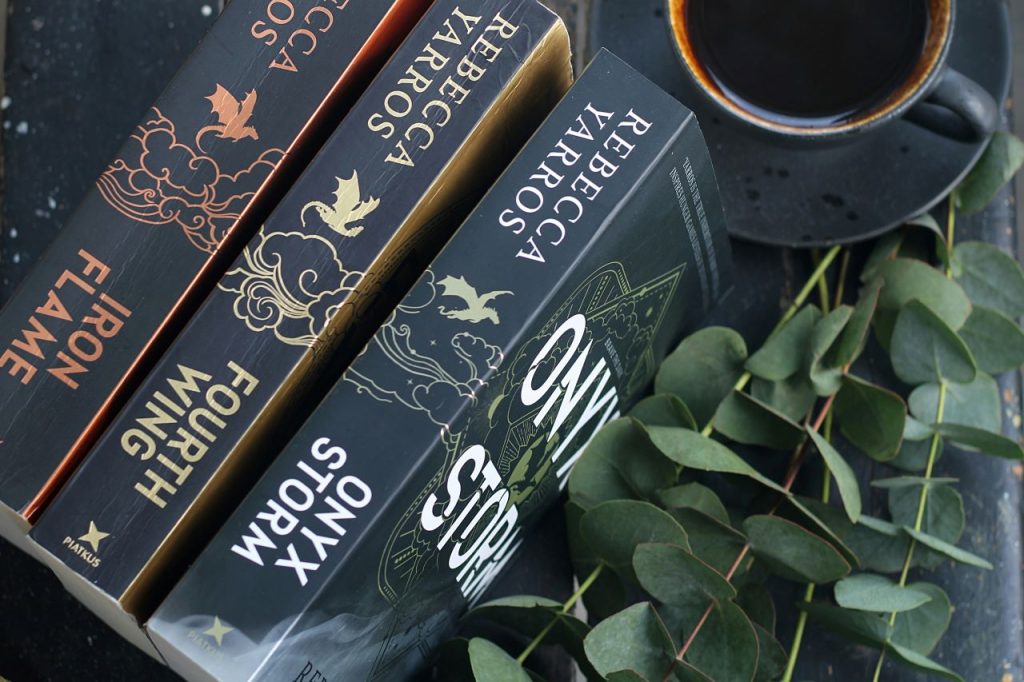
From Sarah J. Maas’s A Court of Thorns and Roses and Crescent City to Rebecca Yarros’s Fourth Wing and Iron Flame, romantasy blends sweeping worldbuilding, addictive tropes, and love stories worth losing sleep over. The result? A genre that’s part cultural phenomenon, part publishing gold rush.
So why has romantasy taken over—and how can authors write their way into this fiercely competitive, wildly passionate market? Let’s break it down.
What is romantasy, exactly?
Romantasy—short for romantic fantasy—is a subgenre where the central love story unfolds inside a fully realised fantasy world. Think sweeping romance tangled up with magic systems, epic quests, political intrigue, and danger at every turn.
It’s not the same as:
- Paranormal romance, where the romance drives the plot and supernatural elements are more like flavour.
- Straight fantasy novels, where romance is often a side note, not the story’s spine.
In romantasy, the romance is central. Remove it, and the whole narrative collapses.
Part of the appeal is the double hit readers get from these stories. They’re here for the magic, the political intrigue, the jaw-dropping worldbuilding—but they also want a love story that’s just as high-stakes and emotionally intense.
In other words, the genre promises:
- Rich fantasy elements: immersive worldbuilding, high-stakes conflict, intricate lore.
- A romance arc that’s every bit as gripping as the magic system is inventive.
It’s why authors like Jennifer L. Armentrout (From Blood and Ash) and Carissa Broadbent (The Serpent and the Wings of Night) have built fiercely loyal fandoms. Their books don’t just create a world—you live in it, staying up until 3 a.m. to find out if the hero and heroine survive the next battle and each other.
Why romantasy is having a moment
Romantasy hasn’t just crept into the spotlight—it has planted a dragon-sized flag there. The genre is booming because it hits a cultural sweet spot: it delivers intense emotion, epic stakes, and a level of escapism readers are actively craving right now.
Here’s what’s driving the surge:
- TikTok and BookTok virality: Social media isn’t just marketing these books—it’s building entire fandoms in real time. Readers post teary reaction videos after a big twist, dissect favourite tropes in 30-second clips, and create fancasts that go viral. This constant wave of user-generated content turns each book launch into an event.
- Cross-genre bridge-building: Romantasy acts as a meeting point between audiences. Romance readers find the thrill of epic quests, fantasy fans discover the emotional high of a central love story, and YA readers move seamlessly into adult romantasy novels without losing the immersive worlds they love.
- The escapism factor: In an era of constant bad news, romantasy offers not just an escape to magical worlds, but the reassurance of an emotionally satisfying resolution. Readers get the adrenaline of high fantasy battles with the catharsis of a romance arc that delivers.
- Publishing appetite: Editors are on the lookout for “the next Fourth Wing” because these books are moving serious units. Success stories like Rebecca Yarros and Sarah J. Maas prove that when a romantasy novel lands, it can dominate bestseller lists for months.
- Adaptation potential: With ACOTAR and Crescent City in development, streaming platforms are seeing romantasy as a ready-made audience magnet. That makes publishers even keener to invest in stories with cinematic scope and a central romance.
📌 Pro Tip: If you’re an author eyeing this space, pay attention to the online conversations. The most successful romantasy books often build buzz long before release by leaning into tropes, sharing character art, and creating moments that readers want to talk about.
The best romantasy novels don’t just mash romance and fantasy together—they weave them so tightly that you couldn’t pull one thread without unravelling the whole story. If you’re aiming to write the next ACOTAR or Fourth Wing, here’s what readers are coming for:
- A compelling romance arc: Readers want emotional depth, sizzling chemistry, and the kind of slow-burn tension that makes them whisper “just kiss already” at the page. Whether it’s enemies-to-lovers or fated mates, the romance needs its own structure, stakes, and payoffs.
- Immersive worldbuilding: Your fantasy setting should feel as real as Earth—whether that’s a lush fairytale kingdom, a brutal warfront with dragon riders, or a gritty sci-fi dystopia. The magic system, history, and culture should feel lived-in, not just painted in after the fact.
- Balanced stakes: In great romantasy, the love story and the quest share the spotlight. If either thread could be removed without breaking the plot, you’ve lost the balance. The romance should influence the fantasy plot, and vice versa.
- Complex characters: The main character and love interest should be more than attractive archetypes. Give them flaws, ambitions, and internal conflicts that grow and change over the course of the novel. Their arcs should be as satisfying as the resolution of the quest.
- Tropes that deliver: Readers love certain hooks—dragon riders, enemies-to-lovers, reluctant alliances, fated mates—but they also want to see them done with freshness and intention. Don’t just tick boxes; twist expectations.
📌 Pro Tip: In the strongest fantasy books, the romance heightens the stakes of the fantasy plot—and the fantasy world amplifies the emotional intensity of the romance. If one element would still work without the other, keep weaving until they’re inseparable.
Market insights: Who’s reading romantasy?
Romantasy isn’t a niche—it’s a tidal wave, and understanding who is riding it can help you write stories that meet readers where they are.
Goodreads data shows that romantasy readers aren’t just dipping into a book or two—they’re binging long series, following authors across multiple trilogies, and swapping book recommendations like precious contraband. Once they’re hooked, they want entire worlds to live in, not just a single standalone.
Who they are
Predominantly women, often millennials and older Gen Z, with a strong crossover between young adult fantasy readers “aging up” and adult romance readers looking for more expansive worldbuilding. This audience is fiercely loyal—once you’ve given them a fictional couple and a fantasy setting they love, they’ll follow you from one kingdom (or series) to the next.
What they love
Many of the most popular tropes come straight from paranormal romance—fated mates, enemies-to-lovers, morally grey heroes—but set against epic quests, sprawling kingdoms, or intricate magic systems. It’s the emotional payoff of romance combined with the grandeur of fantasy.
Where they find books
Discovery happens everywhere—TikTok and BookTok edits turn smouldering stares into viral trends; Goodreads reading challenges spark mass buddy-reads; influencer rec lists convince thousands to try a series overnight. A well-timed appearance in a TikTok trope round-up can do more for sales than a traditional ad campaign.
📌 Pro Tip: Don’t just think about where your readers buy books—think about where they fall in love with them. Craft scenes, quotes, and moments that beg to be highlighted, shared, and memed. That’s how your book becomes someone’s next obsession.
Romantasy might feel like lightning in a bottle—but it’s actually a well-lit path if you know where to step. Here’s how to make your book feel right at home on a reader’s “most obsessed” shelf:
1. Know the tropes (and why they work): Enemies-to-lovers. Magical bonds. Fated mates. Chosen ones who’d rather be doing literally anything else. These aren’t clichés when handled well—they’re emotional shorthand. Readers show up for the delicious tension and the inevitable payoff, so deliver the sizzle, but on your terms.
2. Blend familiar with fresh: Give them the comfort of a magic system or quest on par with Harry Potter or Crescent City, but twist the romance beats so they can’t see them coming. Maybe the brooding prince is the comic relief. Maybe the fated mate isn’t the love interest at all. Surprise keeps pages turning.
3. Think in series: Standalone romantasy novels exist, but the genre thrives on sprawling arcs. The Throne of Glass and ACOTAR fandoms didn’t appear overnight—they grew with each book. Map your emotional and fantasy stakes so they can sustain across two, three, or seven volumes.
4. Engage where readers already play: This is a TikTok-and-BookTok-friendly genre, so lean in. Share short videos, reveal bonus scenes, host live Q&As, commission fan art. Make it easy for readers to share your world—and they will.
5. Position your book like a pro: Before launch, seed early reviews on Goodreads, identify your comp titles, and refine your market angle. Are you selling high fantasy with a love story or a romance wrapped in epic stakes? Knowing the difference changes how you pitch and who you pitch to.
📌 Pro Tip: Don’t just market the book—market the experience of reading it. Readers don’t join a romantasy fandom for the plot alone; they join because it gives them a world they want to live in long after the last page.
The future of romantasy
If the past few years were the genre’s big bang, the next few will be about expansion—and not just in word count.
1. More diverse authors, more global worlds: Expect fantasy novels to step beyond Eurocentric kingdoms. We’re seeing lush romantasy settings inspired by African folklore, South American mythology, and Southeast Asian history—worlds that feel fresh yet still deliver the immersive magic readers crave.
2. Broader representation in love stories: LGBTQ+ romances are no longer niche in romantasy books—they’re becoming essential to the subgenre’s emotional spectrum. Diverse pairings, found families, and nontraditional relationship arcs are finding enthusiastic, loyal audiences.
3. Adaptations are coming (and readers know it): With Fourth Wing still sparking adaptation rumors and studios eyeing other BookTok sensations, we’re poised for the next Game of Thrones-level fantasy romance on screen. Streaming platforms want the built-in fandoms—and romantasy delivers them in droves.
4. Genre blending will keep pushing boundaries: The line between science fiction, high fantasy, and paranormal romance is getting blurry on purpose. Think dragon riders with advanced tech, fairytale kingdoms with dystopian politics, or magic systems rooted in futuristic science. The more unexpected the mix, the better.
📌 Pro Tip: If you’re writing in this space, watch what’s being optioned for TV and film now. By the time your book hits shelves, readers may already be primed for that exact blend of tropes and tone.
Your turn to ride the dragon
Romantasy isn’t just having a moment—it’s building an empire. With the immersive magic of the best fantasy books and the swoon-worthy pull of the best romance books, this subgenre gives authors room to dream big, stab readers in the heart (emotionally), and keep them begging for the next installment.
If you’re plotting your own blend of epic quests and emotional gut-punches, now’s the time to get ahead of the curve. Our free newsletter is packed with trend breakdowns, trope deep dives, and insider strategies to help turn your romantasy idea into a full-blown reader obsession.
DON’T MISS WHAT’S COMING NEXT
Wordling Plus is where serious writers come for systems, strategy, and support. Doors only open a few times a year — and the waitlist always hears first (with bonuses no one else sees).
👉 Add your name to the waitlist and don’t miss the next round.
