
Getting results on BookTok takes more than going viral. Here’s how authors use BookTok to build lasting visibility and steady revenue
DON’T MISS WHAT’S COMING NEXT
Wordling Plus is where serious writers come for systems, strategy, and support. Doors only open a few times a year — and the waitlist always hears first (with bonuses no one else sees).
👉 Add your name to the waitlist and don’t miss the next round.
BookTok is reader-driven word of mouth, just louder.
A 30-second video can turn a quiet backlist title into a stampede, resurrect a five-year-old release, or launch a debut into “why is this suddenly everywhere?” territory. It’s messy, emotional, wildly sincere—and powered by the oldest marketing force on earth: readers telling other readers what wrecked them.
The catch is simple: BookTok doesn’t reward “Buy my book.” It rewards a feeling and a promise. If you can translate your story into that language, you give the algorithm something it actually knows what to do with.
What is BookTok?
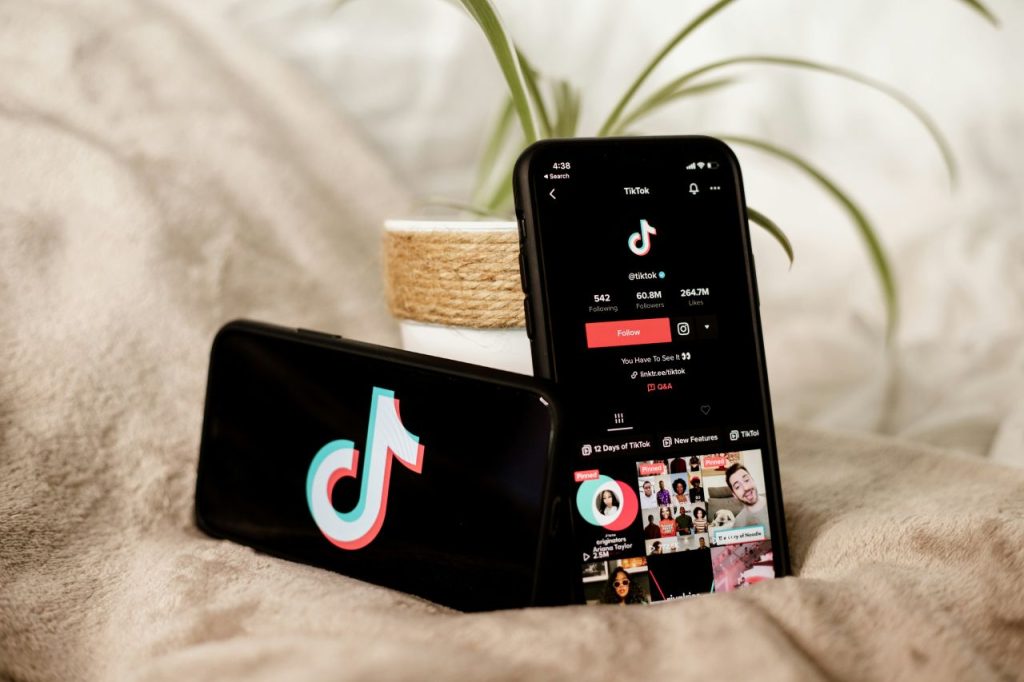
BookTok is the bookish corner of TikTok—a social media platform where bookworms share reviews, reading reactions, memes, and rapid-fire recommendations. It’s reader-led, emotional, and wildly effective at making strangers buy books they hadn’t heard of yesterday.
A strong BookTok wave can lift titles across genres (romantasy, YA, romance, sci-fi), nudging Amazon rankings, Barnes & Noble promotions, and Goodreads “best books” lists. Authors like Colleen Hoover, Sarah J. Maas, Ali Hazelwood, Madeline Miller, and Taylor Jenkins Reid have all benefited from that kind of momentum, with some books climbing onto the New York Times bestseller list within weeks of appearing on the platform.
How BookTok impacts the publishing industry
BookTok has effectively added a new power player to publishing: the reader. When thousands of people react to the same book in public, in real time, it changes what gets stocked, what gets reprinted, how covers get designed, and how marketing budgets get spent. A publishing house can plan a campaign for months; the BookTok community can change the conversation in an afternoon.
- It changes what retailers stock and spotlight. When a title starts trending, booksellers respond immediately with BookTok tables, face-out displays, and bigger orders—because demand shows up fast and very visibly.
- It resurrects backlist and reshapes the sales curve. Books can explode years after release, turning “steady sellers” into sudden hits. We Were Liars, Shatter Me, and The Song of Achilles are the classic case studies.
- It shifts marketing from author-led to feeling-led. Viral videos rarely sell “a book”; they sell a specific emotional promise. That’s why campaigns now lean harder on tropes, one-line hooks, and shareable reactions rather than traditional “about the author” angles.
- It influences packaging and acquisitions. Covers are increasingly designed to read well on camera, and publishers pay closer attention to what the platform rewards—romance, romantasy, YA, and certain lanes of science fiction, often driven by young women who are brutally good at deciding what’s worth their time.
- It creates breakout lanes outside the usual gatekeepers. Micro-communities, including Black BookTok, can champion books and authors that weren’t getting the same push elsewhere, then ripple outward until the wider market catches up.
- It globalizes hype at American speed. One trend can trigger simultaneous demand across regions, formats, and retailers—less “slow build,” more “suddenly we need a reprint yesterday.” It’s the Harry Potter midnight-release energy, just distributed across feeds instead of one queue.
📌 Pro Tip: Before you try to “do BookTok,” make your book easy to buy the moment interest hits. Check that your title, subtitle, series order, and description clearly signal genre and vibe, and that your retailer pages match what readers will be searching for after a viral video.
What makes a book a ‘BookTok book’?
A “BookTok book” isn’t a genre so much as a reaction. It’s the kind of story that makes people film themselves mid-cry, mid-gasp, or mid-rant, then flood the comments with “read it NOW” like they’re forming a public safety announcement. Book reviews on TikTok are less about star ratings and more about emotional evidence: the face, the pause, the “I’m not okay.”
- It delivers a strong emotional hit. Big feelings drive shares—devastation, swoon, rage, catharsis. The story gives readers something to perform in a 30-second video.
- It’s built on recognizable tropes. Enemies-to-lovers, morally gray love interests, found family, fake dating, one bed—tropes give people a shorthand to recommend your book without explaining the whole plot.
- It has an obvious vibe. Dark academia. Fantasy romance. Romantasy. A book that’s easy to aestheticize is easy to post. This became especially true when readers discovered (or rediscovered) reading community online during the pandemic.
- It creates “just one more chapter” momentum. Clean pacing, chapter-end tension, and a hook that keeps escalating—because nobody posts a rave review of a book that feels like homework.
Genres that tend to thrive on BookTok include:
- Young adult
- Romance novels
- Fantasy and romantasy
- LGBTQ fiction
📌 Pro Tip: If you want BookTok traction, describe your book the way readers talk, not the way your Amazon blurb reads. Lead with the emotional promise and the tropes—then let the title do the rest.
How to get your book noticed on BookTok
BookTok works best when you stop treating it like marketing and start treating it like recommendation culture. Readers aren’t scrolling to be sold to; they’re scrolling to feel understood, entertained, and emotionally validated by other readers. When a book hits those notes, sharing it becomes instinctive.
Your job as an author isn’t to manufacture hype. It’s to make your book easy to recognize, easy to react to, and easy to pass along. Do that consistently, and BookTok can take care of the rest.
- Package the book for TikTok brains: Lock in a one-line promise (emotion + trope), a couple of keywords you’ll repeat, and a quick “for fans of” vibe cue. If your audience overlaps with Throne of Glass or A Court of Thorns energy, you can nod to that style of fantasy-romance obsession without turning it into a hard comp.
- Post in repeatable formats: Pick 2–3 formats you can sustain and rotate them: trope pitches, reader-reaction prompts, behind-the-scenes writing clips, “if you like X, try Y,” or quick bookish takes. Consistency matters more than novelty.
- Use the platform like a conversation: Reply to comments with videos. Stitch/duet in-genre posts. Comment like a human being. TikTok rewards interaction far more than polished broadcasting.
- Nudge readers to do the sharing: Give them an easy prompt: favorite line, spoiler-free scream, trope roll-call, “the moment I knew,” or “I was not emotionally prepared for…” Readers love being part of the buzz when you hand them the template.
- Turn attention into sales signals: Make the link obvious, keep your book info consistent, and encourage Goodreads adds and Amazon reviews. Those are the boring little reinforcements that help a spike stick.
📌 Pro Tip: Write three “reaction prompts” you can reuse—one for the opening hook, one for the midpoint turn, one for the final emotional hit. BookTok runs on feelings, so give readers a specific feeling to film.
“Going viral” on BookTok isn’t a mystical blessing from the algorithm gods. TikTok is basically asking one question: Do people stay, react, and come back for more? The more your videos earn watch time and engagement, the more TikTok tests them in front of new viewers—especially inside the BookTok community.
- Watch time is the main event: TikTok rewards high retention, so shorter, tighter videos often travel further. Open with the point, not the preamble—especially if you’re a first time poster and the algorithm doesn’t know who you are yet.
- Engagement signals relevance: Comments, shares, saves, and follows tell TikTok your video belongs on more feeds. Ask a real question at the end (“Which trope gets you every time?”) and reply to comments to keep the thread alive.
- Consistency helps TikTok “place” you: Regular posting makes it easier for the platform to understand your niche—book recommendations, book hauls, romance reactions, fantasy obsession—and show you to the right readers.
- Use trending sounds and hashtags strategically: Trends give you built-in distribution. Stick to a small set of relevant hashtags (#BookTok, #TikTokMadeMeBuyIt, plus your genre/trope tags) so you’re discoverable without looking spammy.
- Make your video instantly legible: On-screen text helps: “If you liked Fourth Wing…” or “My favorite books when I need ___.” BookTok creators do this well because it tells viewers, in two seconds, whether to stop scrolling.
- Post when your readers are awake: Peak hours vary by audience, but evenings and weekends often perform well. Whatever you choose, keep it consistent for a few weeks so you can actually see patterns.
📌 Pro Tip: Viral videos usually do one thing very clearly. Before you post, finish this sentence: “This video is for readers who want ____.” If you can’t answer it, the algorithm probably can’t either.
How to convert BookTok engagement into sales
Going viral is fun. Selling books is the point. The bridge between the two is simple: make it easy for a reader who just saved your video to buy the book before the feeling wears off.
- Know where BookTok readers actually buy: Popular books tend to spike first on Amazon and Barnes & Noble, but indie booksellers also ride the wave with BookTok tables and staff picks. Goodreads can help on the discovery side too, especially when “to-read” adds and list placements create momentum around new releases.
- Put the buy link where nobody has to hunt: Your TikTok bio should have one obvious path: retailer links, a universal link, or your store. If it takes three taps and a prayer, you’ll lose people.
- Use every platform you already have: Cross-post the same videos to Instagram Reels and Threads/Twitter, and point everything back to the same link. You’re not creating more work—you’re recycling what already performed.
- Give readers a reason to buy now: Limited signed copies, a special edition, a bonus scene, a book club kit, or a short “reader reward” download can nudge someone from “I’ll get it later” to “fine, I’m ordering it.”
- Make book clubs your multiplier: A single club read creates multiple posts, comments, and re-shares—plus actual sales. Offer a quick virtual Q&A or discussion prompts and you’ll make it easier for them to choose your book.
📌 Pro Tip: Treat every viral-ish video like a mini launch. Update your bio link, pin the best-performing post, and make the next video answer the comments—because that’s when readers are most ready to buy.
BookTok isn’t just a trend machine for chasing viral moments. Used well, it’s a long-term way to show readers who you are, what you write, and why your stories belong on their shelves. When book lovers follow you, they’re not just there for one video—they’re there for your taste, your voice, and the promise of more new books they’ll want to talk about next.
If you want more smart, grounded guidance on building a writing career that actually sells books—without burning out or chasing every shiny platform—join The Wordling’s weekly newsletter. It’s warm, funny, and full of the stuff writers usually only figure out after doing it the hard way.
DON’T MISS WHAT’S COMING NEXT
Wordling Plus is where serious writers come for systems, strategy, and support. Doors only open a few times a year — and the waitlist always hears first (with bonuses no one else sees).
👉 Add your name to the waitlist and don’t miss the next round.
